The allure of risk in casinos
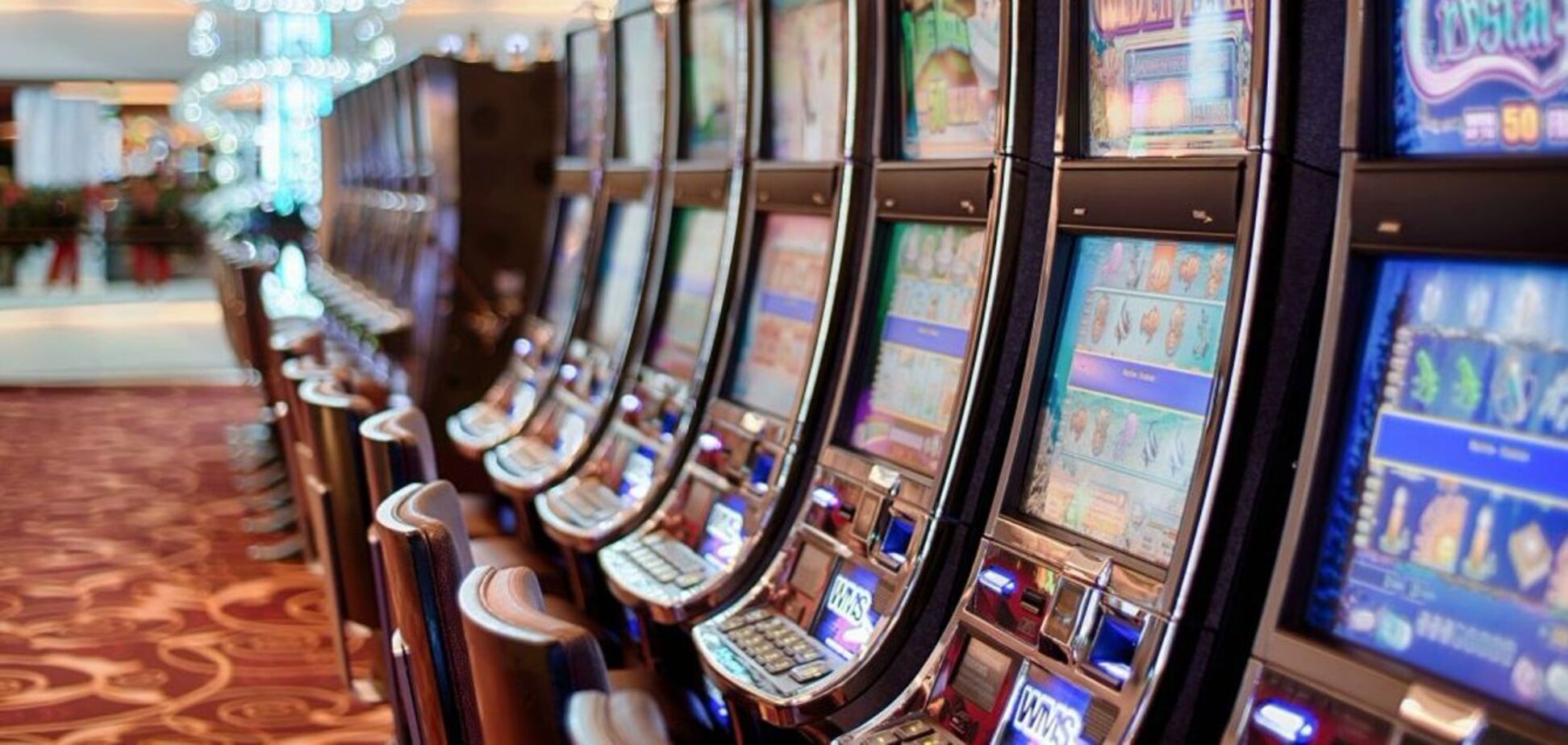
Casinos are designed to entice individuals into an environment filled with vibrant lights, sounds, and the promise of potential rewards. This sensory overload plays a significant role in fostering a thrill-seeking mindset among patrons. The allure of high-stakes gambling taps into the natural human inclination towards risk-taking, as players often seek out excitement and the possibility of a life-changing win. If you’re wondering about the best practices for staying secure online, knowing how to gamble online with vpn can make a difference. The environment itself becomes a catalyst for making bold decisions, as players can easily find themselves caught up in the moment, overlooking the potential consequences of their actions.

The psychology of risk-taking is intertwined with the concepts of reward anticipation and instant gratification. When individuals engage in gambling, the expectation of winning can create a powerful rush of adrenaline. This euphoric feeling, combined with the social aspect of playing among peers, often leads to impulsive decisions. Players might chase losses, believing that their next bet could lead to a turnaround, showcasing the cognitive biases that influence behavior in a casino setting.
The role of cognitive biases
Cognitive biases are systematic patterns of deviation from norm or rationality in judgment. In casinos, these biases can profoundly affect decision-making processes. For example, the “gambler’s fallacy” leads individuals to believe that previous outcomes will influence future results. This belief can prompt players to continue risking their money, thinking they are due for a win after a string of losses, fostering a cycle of continual gambling.
Another common bias is the “illusion of control,” where gamblers feel a sense of control over random events, such as dice rolls or card shuffles. This false sense of mastery can lead to increased risk-taking behaviors, as players might disregard their actual odds of winning. Understanding these cognitive biases is essential for recognizing how psychological factors influence gambling habits and the propensity to take risks within casino environments.
The emotional impact of gambling
The emotional landscape of a gambler can vary drastically during a session. Joy and exhilaration often accompany wins, while losses can lead to frustration and despair. These emotional highs and lows are pivotal in the gambling experience, significantly affecting risk-taking behavior. Players may find themselves in a state of emotional arousal, where their ability to make rational decisions is compromised, leading to riskier bets and behaviors that they might not typically exhibit in other contexts.
Furthermore, the concept of “loss chasing” becomes particularly relevant in this discussion. When faced with losses, gamblers may double down or engage in high-risk bets in an attempt to recover their lost funds. This behavior is often driven by heightened emotions, illustrating how psychological factors can override logical decision-making processes in the heat of the moment.
Social influences and group dynamics
The social environment of a casino can amplify risk-taking behavior, as players are often influenced by the actions and attitudes of those around them. Group dynamics play a significant role in shaping individual decisions, where the presence of avid gamblers might encourage others to engage in higher stakes or riskier bets. This phenomenon can lead to a collective mindset, where the fear of missing out fuels a shared enthusiasm for risk.
Moreover, social validation in such environments can be a powerful motivator. Winning cheers and shared excitement can create an atmosphere where individuals feel compelled to take risks to remain part of the group experience. The communal aspect of gambling can therefore catalyze increased risk-taking, which may not be as prevalent in solitary gambling contexts.
Why your security matters in gambling environments
When exploring the psychology of risk-taking in casinos, it is vital to consider the safety and security of players in these environments. A secure gambling platform creates a supportive space for individuals to engage with their chosen games without fear of external threats or breaches of personal information. Responsible gaming practices are critical, ensuring that emotional and psychological factors do not lead to negative consequences.
Our website prioritizes your online safety, using advanced measures to protect against potential risks. By fostering a secure environment, we aim to create a space where players can focus on their gaming experience, encouraging responsible risk-taking that aligns with personal limits. If you ever encounter any issues, we are dedicated to assisting you promptly, ensuring your online experience remains enjoyable and secure.
